
This week, Camilla Capasso writes about how a group of families, farmers, millers and pasta makers have come together to create a regional, regenerative food system based on solidarity between producers and consumers, and rooted in local traditions.
Then, Mario Dattoli of Community Capital Advisors and Slate Co-op presents his case for groups of co-ops to join their capital-raising activities in order to make raising capital more affordable, and to realize other economies of scale in co-op financing.
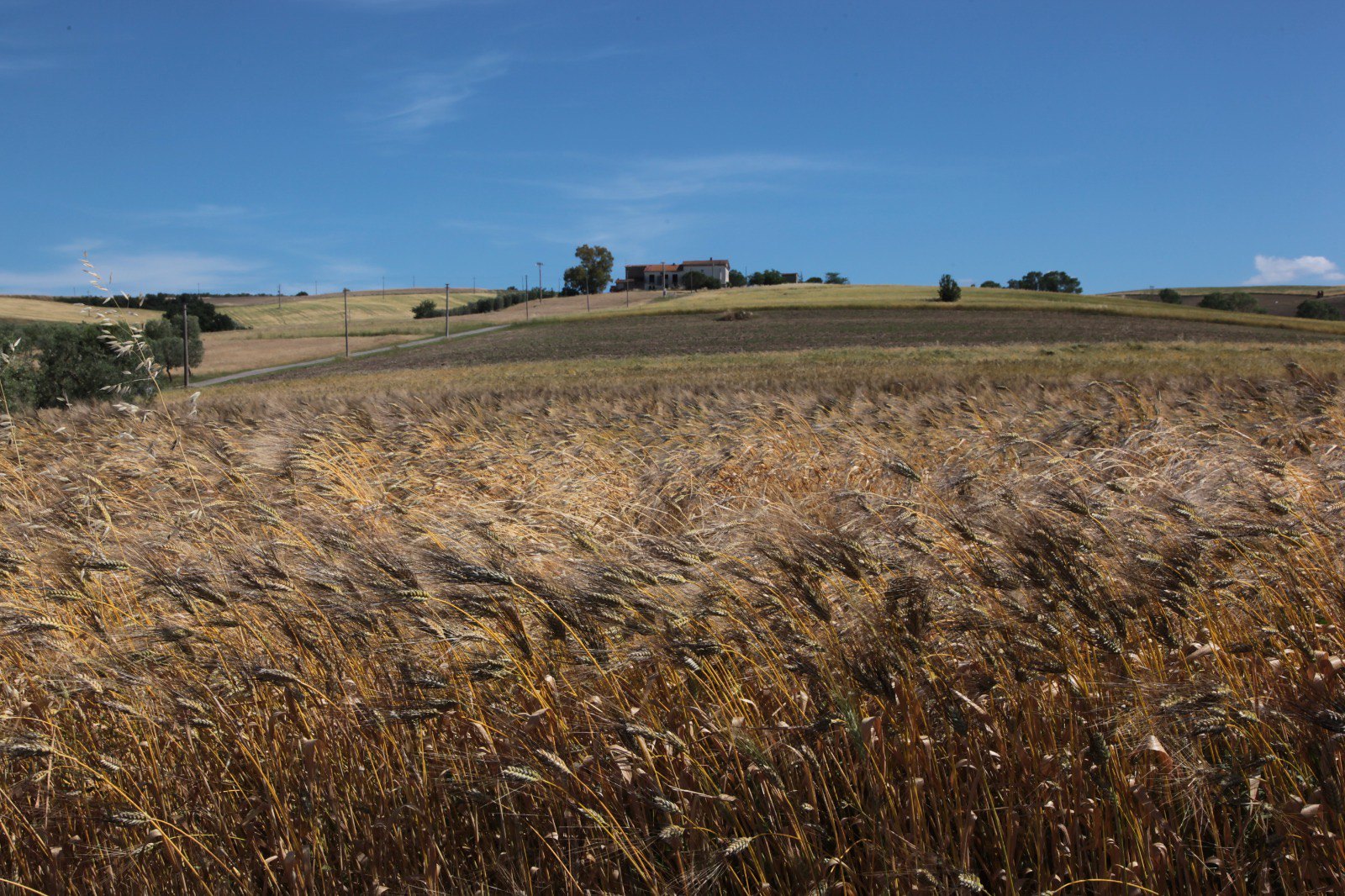
Pasta for the People
A whole-wheat pasta cooperative that’s as good for the community as it is for the land
by Camilla Capasso
Members of Cumpanatico Sud order their pasta months in advance, receiving it at the end of the production cycle, usually between September and October. Their commitment, however, begins at the time of sowing, usually in November or December of the previous year, and follows the entire cycle through to harvest, milling, and finally pasta production. That’s when each member receives their quota of pasta, which can be tailored to their personal preferences — like more or less whole wheat — to accommodate different tastes.
“The pasta we produce could never compete with industrial prices,” says Cotronei. “It is not ‘cheap’ pasta, but neither is it meant to become an elite product accessible only to a few. The solidarity fund plays a crucial role here, allowing the project to absorb unexpected costs and keep prices within reach.” This relationship goes beyond a simple transaction; it’s a bold, community alternative to the extractivist industrial food chain, rooted in mutual trust and collective responsibility.
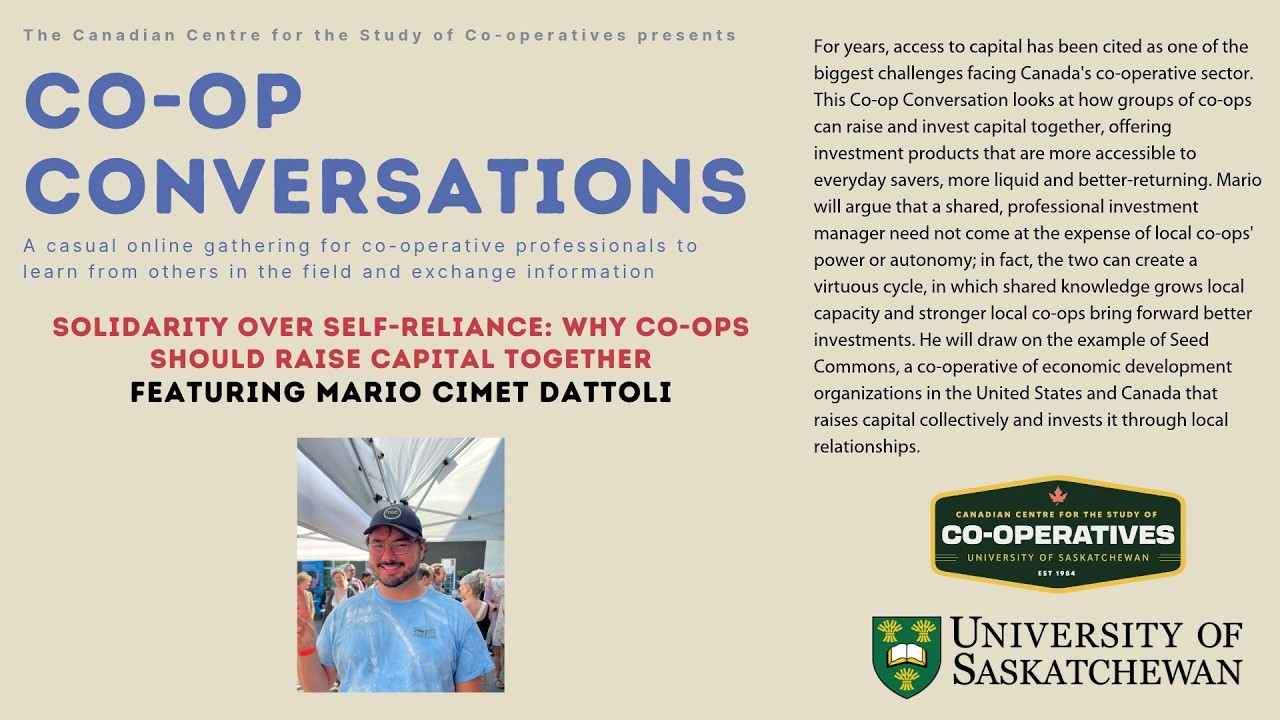
Solidarity Over Self-Reliance: Why Co-ops Should Raise Capital Together
by Canadian Centre for the Study of Co-operatives
Mario will argue that a shared, professional investment manager need not come at the expense of local co-ops' power or autonomy; in fact, the two can create a virtuous cycle, in which shared knowledge grows local capacity and stronger local co-ops bring forward better investments. He will draw on the example of Seed Commons, a co-operative of economic development organizations in the United States and Canada that raises capital collectively and invests it through local relationships.

Platform launched to ‘build knowledge for a stronger co-operative movement’
Co-op News — Co-operative researchers, educators, practitioners and organisations have access to a new tool that aims to support access to, and the sharing of, knowledge and research on co-operatives. PortailCoop is a digital platform developed and managed by the Institut international des coopératives Alphonse-et-Dorimène-Desjardins (IICADD) at HEC Montréal, and is the result of a new partnership with the International Cooperative Alliance (ICA)...
Why the future of housing should be co-ops
Australian Co-operative Housing Alliance (YouTube) — Karren Walker, CEO of United Housing Co-op facilitates a panel discussion focusing on lived experience with co-op members...
Spanish Olive Oil Cooperative Forced to Stop Purchases
Euro Weekly News — A Spanish olive oil cooperative has stopped buying oil from local producers following the government’s latest intervention in the market. The decision has raised concerns among smaller growers, while regional authorities are challenging the restrictions over fears they could damage local businesses...
Happy Birthday, Mirlo!
Mirlo — Mirlo is 3 this month! To celebrate, we'll be showcasing our community in a series of blog posts for Mirlo Mondays. There'll even be an opportunity to share your own labels, releases and listener finds later in the month. We're also inviting you to take a look at our special birthday fundraiser page to help us bring more incredible features and collaborative work to the fore. We're especially proud of the features we've built into Mirlo that make it super easy to use

Like what you find on GEO?
Make a Donation Today!
Your tax-deductible contribution ensures that GEO can continue to provide independent grassroots content about the cooperative and solidarity economy movements.
Got something to say?
Let us know. Send your comments, suggestions, rants and article submissions to editors@geo.coop.
Follow us on Social Media
Mastodon: social.coop/@GEO_Collective
BlueSky: @geocollective.bsky.social
FB: facebook.com/GEOCollective
Instagram: instagram.com/grassrootsecon
Our mailing address is:
Grassroots Economic Organizing
P.O. Box 115
Riverdale MD 20738-0115
