
This week, David Bollier talks with Stephanie Rearick of the Madison Mutual Aid Network and the Dane County Timebank about how mutual aid networks strengthen communities by creating the "real wealth" of social connections.
Then, Sandra Larson writes about community real estate cooperatives across the US, from San Francisco to Atlanta, and Massachusetts to Michigan, that are using collective ownership models to create and maintain affordable housing, community spaces, and commercial rentals.

Building Social Wealth through Mutual Aid
An Interview with Stephanie Rearick
by David Bollier
Timebanking in its many variations is powerful, says Rearick, because “it just feels very different to engage in economic life as equals and peers with everyone else. That's one of the reasons I'm such a zealot about timebanking. It's an experiential learning tool that helps you learn how the money economy is fake, and the real value is all the people around you. Dollars are something that cheapen that, in my view.”
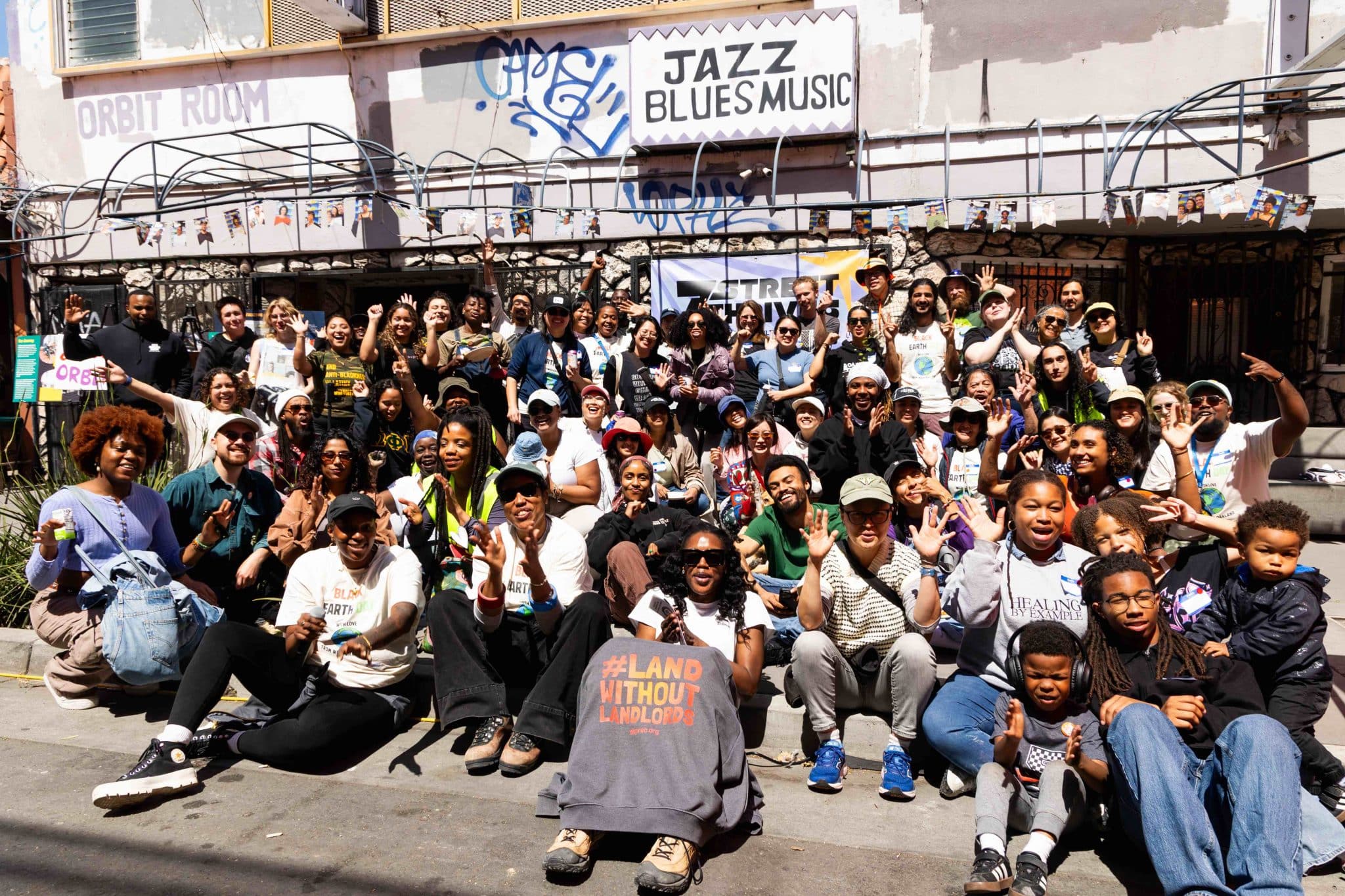
Crowdfunded Real Estate Projects Bring in Community Investors
by Sandra Larson
Small-investor crowdfunding for collective real estate ownership is a growing trend, and other efforts are now operating across the U.S. But until recently, this type of fundraising, especially for large purchases like real estate, was far more difficult.
“Generally speaking, it has been exceedingly difficult and expensive for grassroots investors to put money into any local business, including local real estate projects. But that changed with the national crowdfunding reforms put into law in 2012,” says Michael H. Shuman, a community economics expert who follows community investment models in his “Main Street Journal” newsletter.

Can co-ops help end capital extraction in the UK care system?
Co-op News — Voices from the co-op movement have long opposed this capitalised system, advocating a mutually owned model instead – exemplified by the likes of Equal Care Co-op, based in Calderdale, West Yorkshire. At last year’s conference of the Co-operative Councils Innovation Network, Equal Care’s Emma Back urged councils to used their devolved powers to commission from co-ops, and offer co-operative social care instead of letting outsourcers – often owned by foreign equity companies – extract money from communities...
Indonesia: Village cooperatives urged to prioritise local products
The Cooperator News — Indonesia’s Ministry of Cooperatives is pressing village-based cooperatives to prioritise locally made goods, a policy aimed at strengthening domestic supply chains and reducing reliance on imports as economic pressures mount. “All local products must be absorbed by cooperatives,” Ahmad Zabadi, secretary at the Ministry of Cooperatives, said in a statement released in Jakarta on Sunday, underscoring the government’s push to anchor economic growth at the village level...
A Village Built for Rabbits
Dancing Rabbit Ecovillage — From the very beginning, our village design has centered around densely clustered buildings surrounded by expansive natural areas for wildlife protection and human enjoyment. Building density serves two main functions: it maintains a human-centric, walkable village in which collaboration and social interaction are encouraged by the physical environment, and it leaves as much space for wildlife as possible...
This Multi-Issue Interfaith Organizing Group Has Supported Six Housing Co-ops for Decades
Shelterforce — On a plot of land in western Connecticut resides a small group of tenants who are doing housing a little differently. “ We’re all involved and invested in the same thing, which is safe housing for ourselves and our family,” says Wandy Luna, 48, president of one of the six Brookside Housing Cooperatives, the oldest cooperative housing project in Connecticut...
Like what you find on GEO?
Make a Donation Today!
Your tax-deductible contribution ensures that GEO can continue to provide independent grassroots content about the cooperative and solidarity economy movements.
Got something to say?
Let us know. Send your comments, suggestions, rants and article submissions to editors@geo.coop.
Follow us on Social Media
Mastodon: social.coop/@GEO_Collective
BlueSky: @geocollective.bsky.social
FB: facebook.com/GEOCollective
Instagram: instagram.com/grassrootsecon
Our mailing address is:
Grassroots Economic Organizing
P.O. Box 115
Riverdale MD 20738-0115
