
This week, Caroline Hossein and Ilhaam Ladha write about a recent international symposium held in Toronto: Worlding Feminist Economics: Political Art, ROSCAs, and the Law. Hossein and Ladha argue that rotating savings associations (ROSCAS) are properly viewed as a type of cooperative organization — and one of the most common types of co-op in the world.
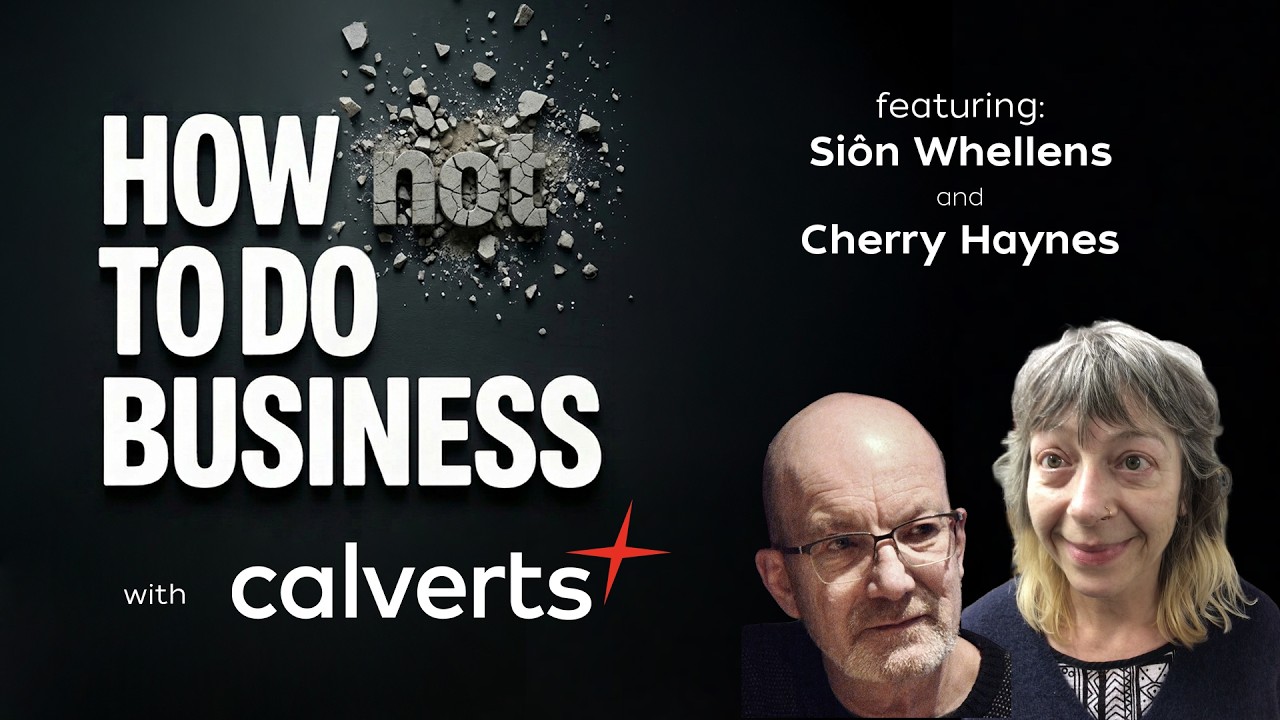
Then Cherry Haynes and Siôn Whellens of the Calverts worker cooperative in East London discuss how their co-op survived the collapse of the London print industry, their commitment to wage equality, and why they are happy to hire people who are skeptical of co-ops.
And finally, Josh Davis makes the case against using generative AI in cooperatives and solidarity economy projects.
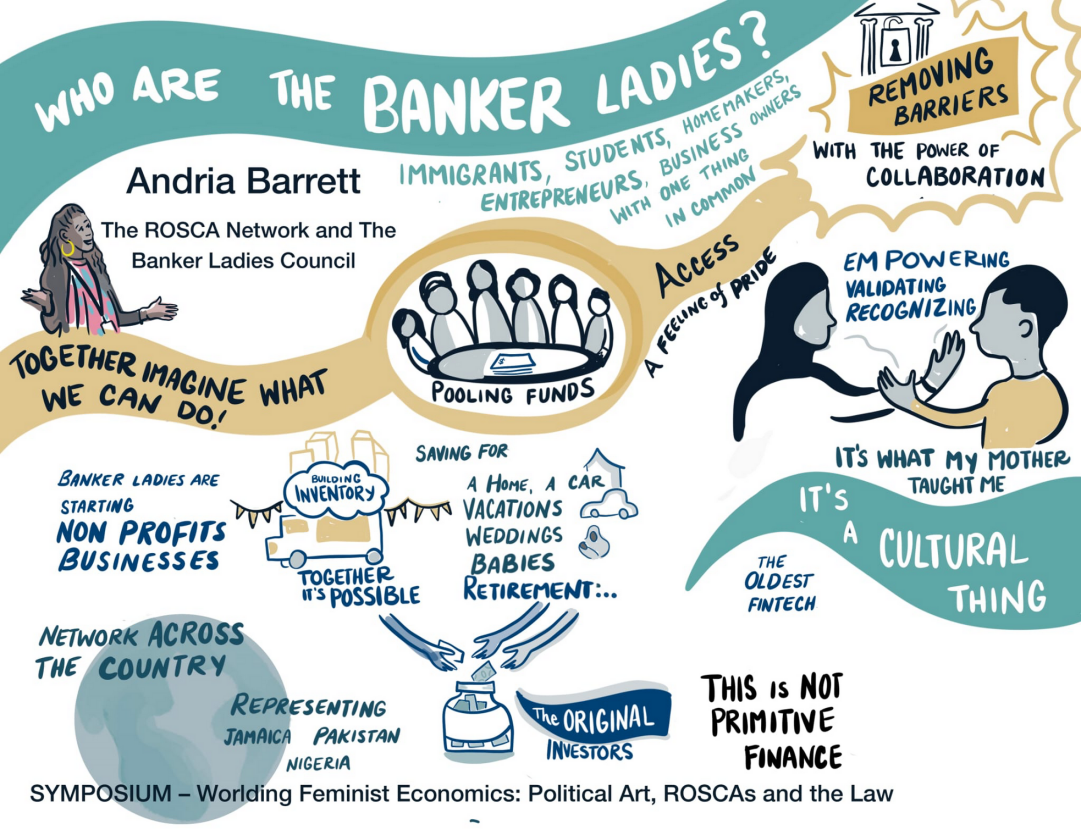
Wake Up World: ROSCAS are Part of the Co-op Family!
by Caroline Shenaz Hossein & Ilhaam Ladha
While bringing together a community of activists, scholars, community leaders, students, and artists, this symposium raised a crucial point: Formal cooperatives must recognize and protect informal membership institutions like ROSCAs as part of the core of the social economy, or risk compromising the entire solidarity economy movement.
The Worker Co-op that Outlasted the Collapse of London's Print Industry
by Changing the Narrative
Clerkenwell and the East End were once full of print shops. Most are long gone. Calverts is still standing — and it's a worker co-operative, founded in 1977, with no managers and complete pay parity: everyone earns the same, no matter the job.

The Cooperative Case Against AI
by Josh Davis
This technology is burning vast amounts of resources, stealing work from artists, making up lies constantly, and promising to create mass unemployment: is it any wonder that everybody hates it?
The Workers’ Owned Sewing Company
Facing South — Six a.m. Already the women driving into the grassy field that is the parking lot for the Workers’ Owned Sewing Company can feel the 95-degree heat of August days in Windsor, North Carolina. Six had not always been the hour the day shift began, but the Workers’ Owned factory has no air conditioning. So, at the beginning of the summer, the board of directors “called a meeting” at which the workers voted to start their day early in order to finish when the heat of the day became unbearable...
A century of ULCCS: A worker co-op success story from Kerala
Co-op News — The Uralungal Labor Contract Co-operative Society (ULCCS) is one of the most celebrated worker co-operatives in India. It’s also the oldest. Founded in Kerala in 1925 under the guidance of the social reformer Vagbhatananda, it began with 14 members and 36 paise (roughly US$0.13 in 1925 currency). Today, the co-op has 19,272 workers, 13,174 worker-members and a turnover of ₹2,400 crore (US$300m, £220m)...
Inside a Worker-Owned Business in Raleigh
City of Raleigh (YouTube) — Employee owners at Weaver Street Market share how employee ownership strengthens workplace culture, supports business continuity, and builds stronger community connections in Raleigh. Learn more:Employee owners at Weaver Street Market share how employee ownership strengthens workplace culture, supports business continuity, and builds stronger community connections in Raleigh...

Like what you find on GEO?
Make a Donation Today!
Your tax-deductible contribution ensures that GEO can continue to provide independent grassroots content about the cooperative and solidarity economy movements.
Got something to say?
Let us know. Send your comments, suggestions, rants and article submissions to editors@geo.coop.
Follow us on Social Media
Mastodon: social.coop/@GEO_Collective
BlueSky: @geocollective.bsky.social
FB: facebook.com/GEOCollective
Instagram: instagram.com/grassrootsecon
Our mailing address is:
Grassroots Economic Organizing
P.O. Box 115
Riverdale MD 20738-0115
