
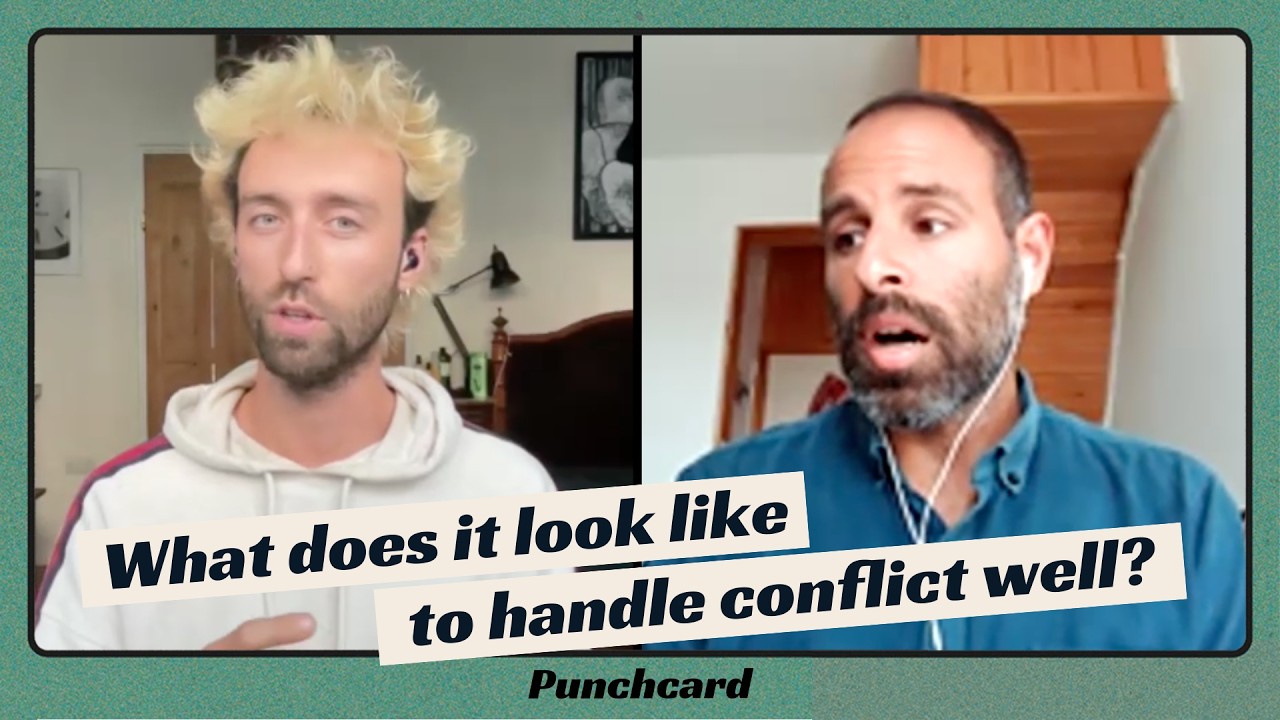
This week, the Punchcard podcast talks with Paul Kahawatte of UK mediators Navigate about how to handle conflict in cooperatives and community groups.
Then we talk with two members of the Hammond Community Garden project in Hammond, Indiana.
And don't forget to pick up a ticket to our Poetry Reading event this May 4th!
How to Resolve Conflict Cooperatively
by Punchcard
This month Punchcard’s guest is Paul Kahawatte, a member of Navigate and an experienced mediator working with communities, cooperatives, and social movements. In my interview with him, he shares the structures and processes he uses to ward off conflict, catch it early, and resolve it in ways that strengthen, rather than fracture.
The Hammond Community Garden
by GEO Collective
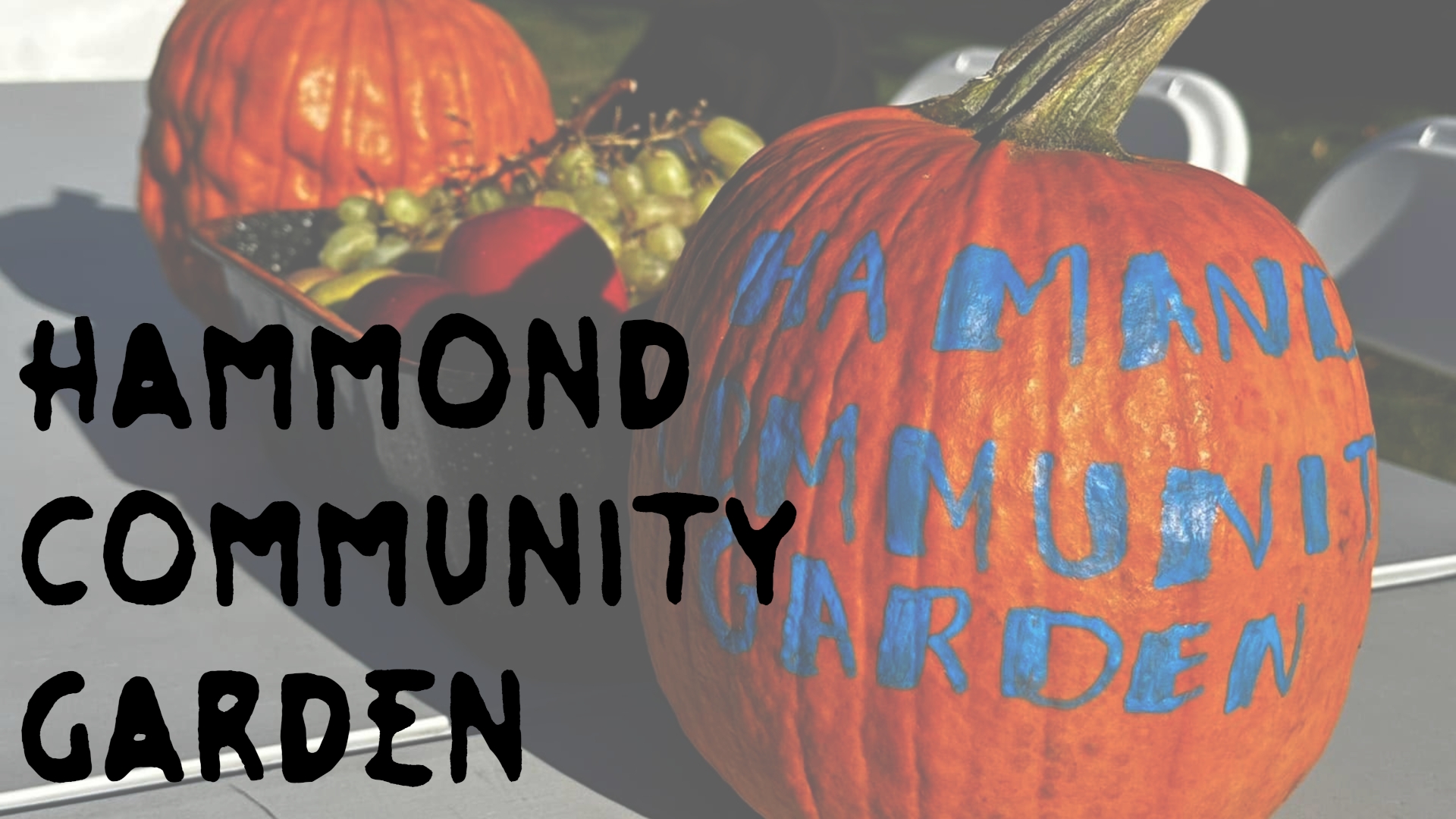
Josh talks with Myke and Terran about the Hammond Community Garden - how it started, how it has developed over the last five years, and how the garden is managed.
We Asked Tax Experts Everything About Mutual Aid
Racket — Minnesotans like Bean have redistributed thousands of dollars—in some cases, tens or hundreds of thousands—to neighbors in need in recent months. Everyday people are adopting rent to help support families who have lost their primary earner or have been unable to go to work throughout Operation Metro Surge. But as the daughter of an accountant, one small fear has nagged at me since December: Are they going to owe taxes on that money?...
The hidden history of New York City housing co-ops
LSE — In the far northwest of New York City’s northernmost borough, the Bronx, just south of Van Cortlandt Park, the site of Revolutionary War battles, is the Amalgamated Housing Cooperative. It’s due to celebrate its centenary next year, making it the oldest surviving co-op of its kind in the US. It is one of 11 housing cooperatives dotted around the city, built between 1927 and the early 1970s, comprising 32,903 homes for people with moderate incomes, inspired and sponsored by NYC’s labor unions, particularly those organized in the clothing industry...
Mutual aid organizations step up when nonprofits no longer can
Times of San Diego — San Diegan Mariel Horner loves to help people. She works as a mental health professional, organizes for police accountability and participated in regular protests outside the Otay Mesa detention facility and raised money to contribute to the commissary costs of people held there. “I was one of the original five people who were sending money directly to detainees and communicating with them over the phone…and that was a very interesting experience,” she said...
Maine farmer trades monoculture for cooperative food farming
Cooperative Development Institute — Antonio and his partner Amara Watkin-Anson, who both come from farming backgrounds, moved to Maine in 2016 and purchased 15.4 acres of off-grid farmland in Porter. The property has a rich history of being used as a safe haven for artists and the LGBTQ community, the couple said. Antonio and Amara hope to continue that legacy. They aimed to start a farm that was mission based rather than money based. They wanted to expand fresh food access to communities and ownership opportunities for BIPOC farmers and workers...

Like what you find on GEO?
Make a Donation Today!
Your tax-deductible contribution ensures that GEO can continue to provide independent grassroots content about the cooperative and solidarity economy movements.
Got something to say?
Let us know. Send your comments, suggestions, rants and article submissions to editors@geo.coop.
Follow us on Social Media
Mastodon: social.coop/@GEO_Collective
BlueSky: @geocollective.bsky.social
FB: facebook.com/GEOCollective
Instagram: instagram.com/grassrootsecon
Our mailing address is:
Grassroots Economic Organizing
P.O. Box 115
Riverdale MD 20738-0115
