
This week, Matt Noyes writes about Solidarity Economic Circuits - a concept originated by Brazilian social theorist and organizer Euclides Mance - and considers how they might be applied in a US context.
Then, Patricia Serrano talks to the people behind an effort in North Carolina to start a textile worker cooperative. With help from Poder Emma, the Centro Cultural y Económico El Porvenir, and the Industrial Commons, a group of Latina women are hoping to help revitalize the areas once thriving textile trade.
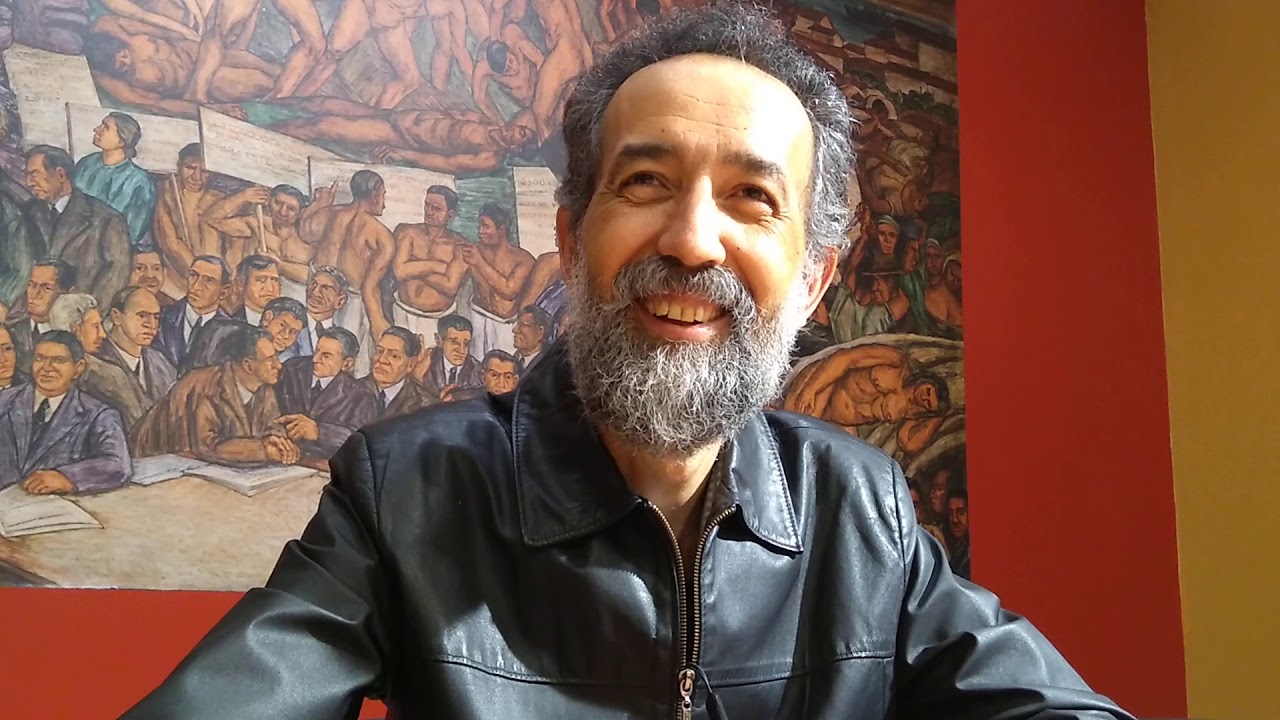
Reflections on Euclides Mance’s Solidarity Economic Circuits and Economic Liberation
by Matt Noyes
I was impressed by his broad scope of concern – from liberation philosophy to platform cooperativism and solidarity economy on a global scale – and his very practical engagement in developing grassroots organizing capacity and infrastructure. One practical approach stood out: the creation of local buying clubs as an initial step in community economic self-organization. This approach seemed modest and feasible, but also strategically audacious.
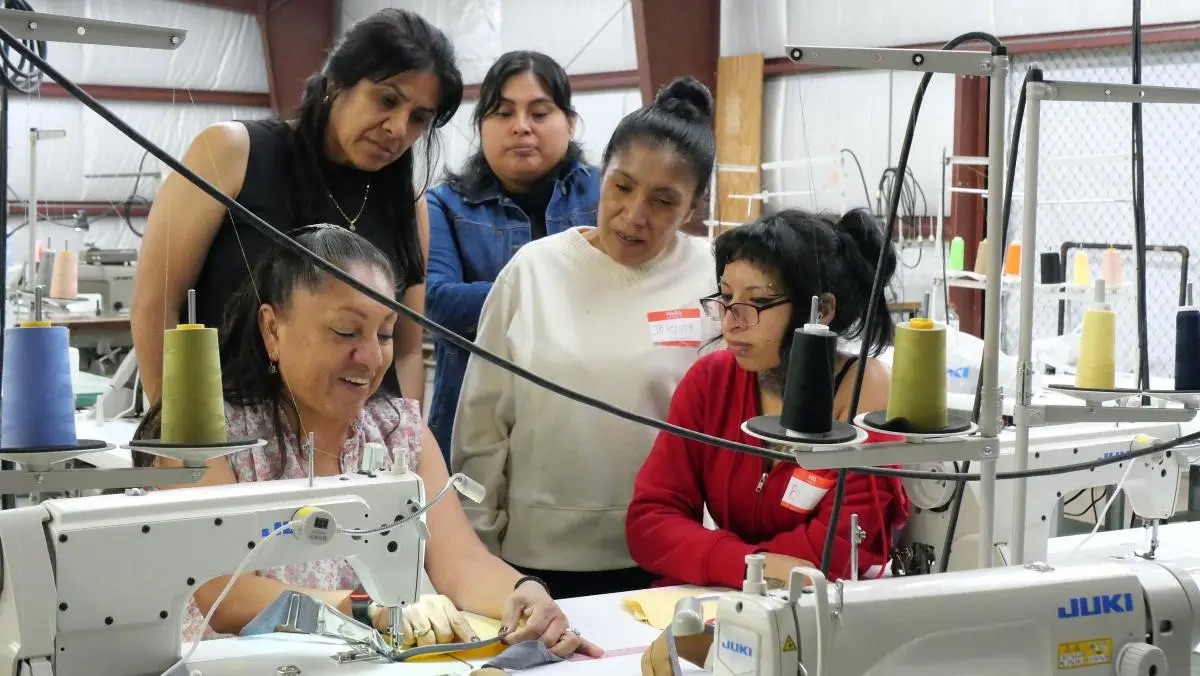
The Dream of a Latino Textile Cooperative in Western North Carolina
by Patricia Serrano
For now, this is the learning stage. Most students are residents of Emma-Erwin, though some come from farther away. This group includes a 22-year-old woman with her own boutique at Mercado La Pulga in Fletcher; a woman with a small machine at home; and others seeking jobs in textile factories. “We’re figuring out what our industry will be. But it starts with knowing how to use a machine.”
Solidarity with worker cooperators in Gaza
SolidFund — Early in 2024, Solidfund members responded decisively to Yalla Cooperative's crisis appeal, as the disaster unfolded in Gaza. While some of its workers stayed and fought to maintain themselves in the territory, others ended up as refugees in neighbouring countries. Supporting those workers by any means necessary had to take priority over building websites, apps and software for non-profit clients. We talked to Joe Friel, one of Yalla's founders, about what Solidfund's intervention meant to them at the time - and what's happened since...
We Are Composting
We Are Open Co-op (via Wayback Machine) — Earlier this year we announced that after ten years of creative collaboration, we would be closing We Are Open Co-op on May 1st. May 1st has arrived. We have spent the last few weeks archiving a decade of work and created a new website to link to our various GitHub repositories and assets around the web. The wonderful Bryan Mathers created some images for us to help us explain our journey and the decision to close...
How 9 Mechanics Built a Global Worker Co-op | The SACMI Story
Co-op Evolution (YouTube) — SACMI in Italy started with 9 unemployed mechanics after World War One and grew into one of the world’s leading industrial cooperatives. The cooperative survived political violence, war, occupation, and economic instability while remaining rooted in worker ownership and long-term reinvestment...
Viet Nam: Creating a Favourable Business Environment for Sustainable Co-operative Development
The Cooperator — In recent years, the State has introduced numerous mechanisms and policies to foster a favourable business environment and support the sustainable growth of cooperatives. Despite notable achievements, however, cooperatives continue to face limitations and challenges, one of the most pressing being restricted access to credit...
How a low-income renter found secure, affordable rental housing
ABC News (Australia) — The 16-dwelling apartment block Iain moved into last year is a rental cooperative. The newly constructed building in Brunswick, about 5 kilometres from Melbourne's CBD, is owned by non-profit housing provider Common Equity Housing Limited (CEHL). Residents' rent is capped at about 30 per cent of their income, and they have three-year leases. If they maintain their tenancy agreement, their leases should continue indefinitely — even if their financial situation improves...
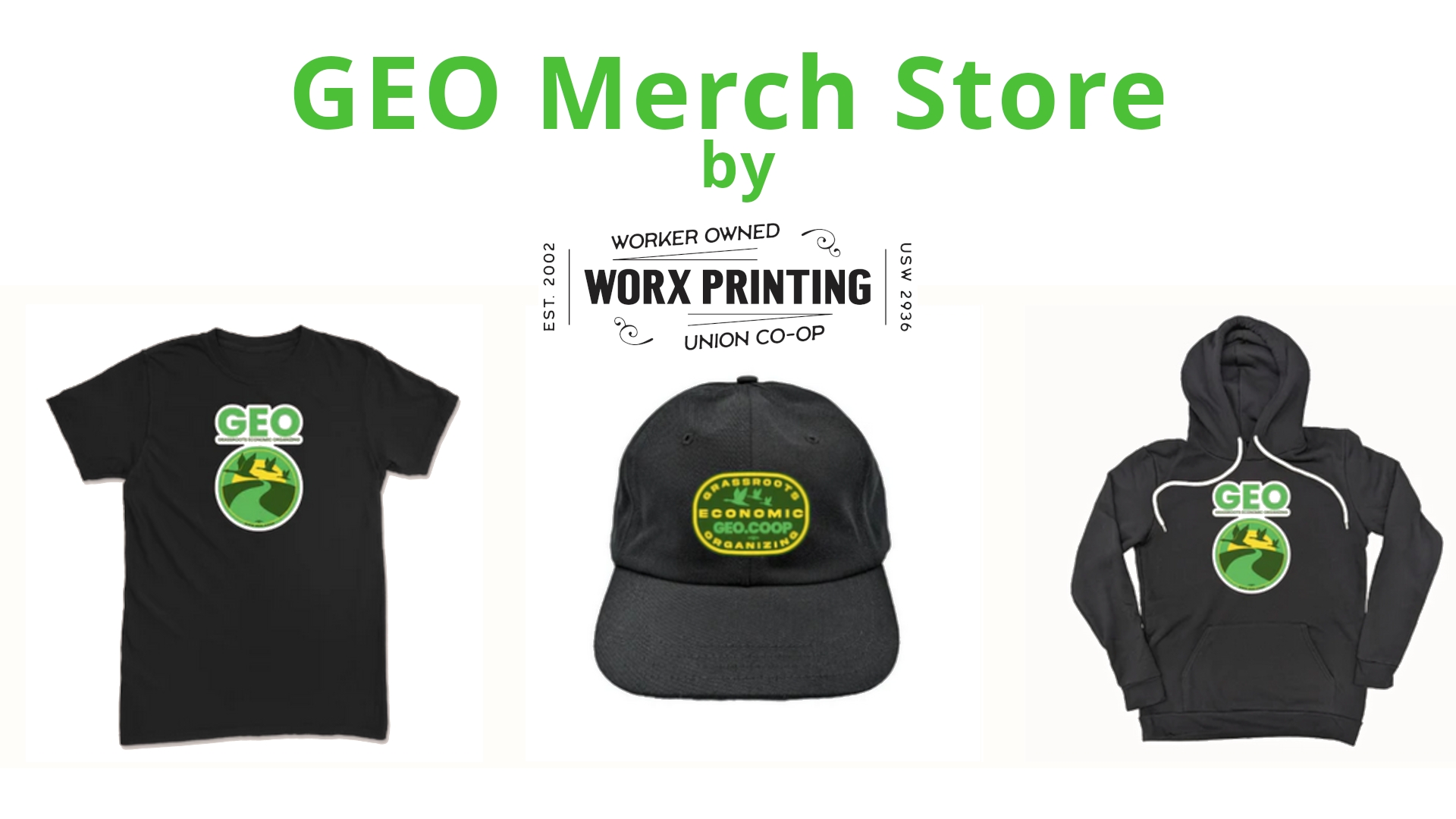
Like what you find on GEO?
Make a Donation Today!
Your tax-deductible contribution ensures that GEO can continue to provide independent grassroots content about the cooperative and solidarity economy movements.
Got something to say?
Let us know. Send your comments, suggestions, rants and article submissions to editors@geo.coop.
Follow us on Social Media
Mastodon: social.coop/@GEO_Collective
BlueSky: @geocollective.bsky.social
FB: facebook.com/GEOCollective
Instagram: instagram.com/grassrootsecon
Our mailing address is:
Grassroots Economic Organizing
P.O. Box 115
Riverdale MD 20738-0115
