
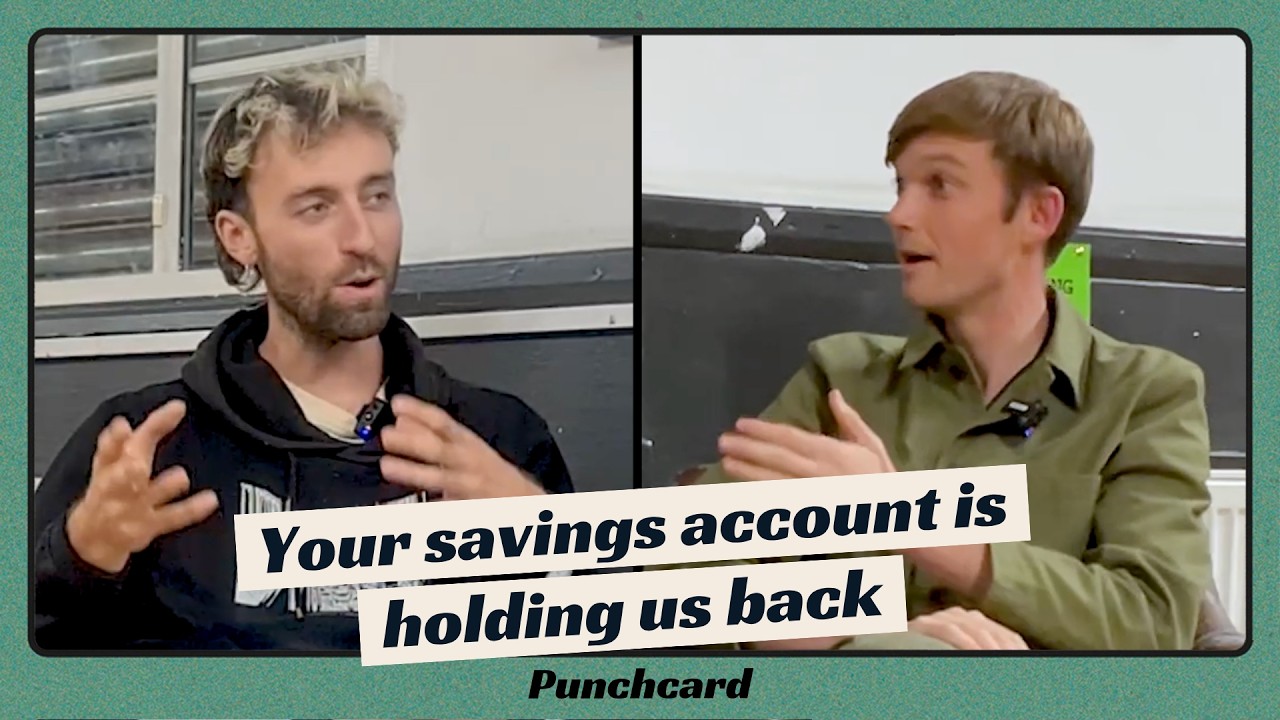
This week,the Punchcard Podcast talks with Rob Callender about Kin.Coop, a multi-stakeholder cooperative that runs an app for managing rotating savings clubs (also known as ROSCA, Susu, Hagbad, Pardna, etc.). Rob discusses what brought him to the cooperative movement, and how he sees savings clubs as a powerful tool for enabling a solidarity economy.
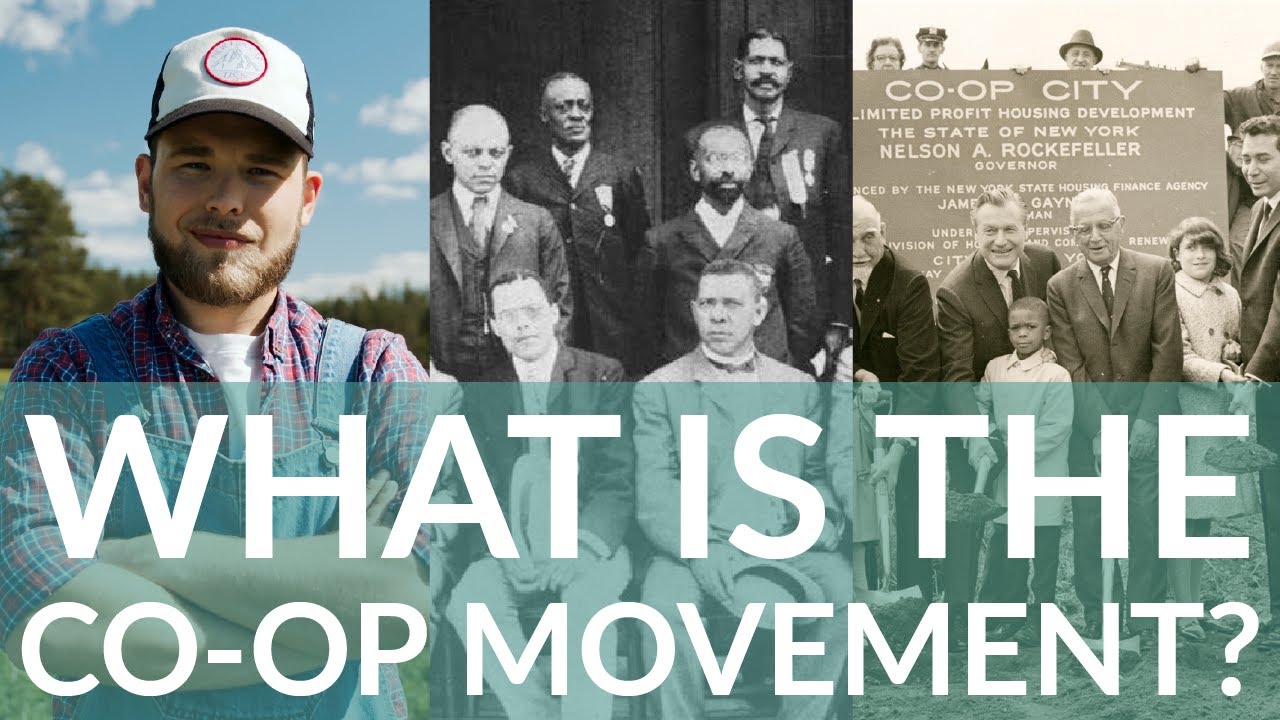
Then, the good folks over at CooperationWorks! have put together a virtual study group of cooperative organizers from across the country to explore the topic of cooperative movements in the US: their history, their struggles, and what we can take from those experiences to apply to our co-op organizing today.
And one last thing: we're trying to get a sense of the ways that worker cooperatives are (or aren't) using "GenAI" tools (like ChatGPT) in their business operations. If you are a member of a worker co-op, please take a few minutes to fill out this short survey (it should only take 5-7 minutes). Thanks.
Replacing Banks with Savings Clubs
An Interview with Rob Callender
by Punchcard Podcast
Although it might sound similar, Kin isn't a building society or a credit union because its model is built around small, autonomous community savings clubs rather than a centralized institution. The vision is that the benefit of building these saving clubs is not only financial, but also social and cultural. This model was inspired by countless examples of saving clubs around the globe but by digitizing it, Kin aims to change our secretive and atomizing culture around money, and instead building a cooperative future where resources and assets are owned collectively, like Clapton CFC's Community Owned Football Grounds and Clubhouse, which is where we're recording this episode today.
The History of US Cooperative Movements
by CooperationWorks!
This is the first of four videos in our Equity Hub! These free resources introduce cooperatives to the new enthusiast in an approachable and meaningful way.

The Death and Renaissance of Milwaukee Food Co-ops
Shepherd Express — In September of 2025, Riverwest lost its eponymous food co-op on the corner of Clarke and Fratney. Covid had been the nail in the coffin to the Riverwest Co-op’s demise, yet its end could have been foreseen for several years...While Outpost, one of the country’s largest food co-ops, is thriving, seeing their highest active member owner numbers since they opened back in 1970. They are building out a 9,000 square foot industrial kitchen with 24,000 active member owners and over 350 employees...
3 Ways Co-ops Can Fit into Your Town’s Economic Development Strategy
Co-operatives First — In some communities, establishing a co-operative is a formal goal set out in the town’s economic development strategy. This document sets out a town’s plan to support businesses, retain services, attract investment, and enhance overall community well-being. Including a co-operative in this strategy highlights a willingness to try something new, use the resources already available in your town, and take ownership over important services your town needs. So, how might a co-op fit into your town’s economic development strategy? Here are three examples of Western Canadian communities that did it...
House passes 2026 Farm Bill with key cooperative priorities
NCBA CLUSA — Notably, the bill would reauthorize and modernize the Rural Cooperative Development Grant program through FY2031. The provision, based on the Strengthening Rural Cooperatives and Communities Act, would streamline multi-year grants for cooperative development centers with a demonstrated track record of success. Other changes include allowing under-serviced and rural applicants to better compete within the program by removing barriers such as “scoring on a curve” within program match requirements, as well as directing the Interagency Working Groups on Cooperative Development to analyze data on co-ops from the Economic Census and submit annual reports on findings...
Meet the St. Paul Cooperatives Transforming Ownership with the LOCAL Fund
Nexus Community Partners (YouTube) — Over the past two years, one way Nexus Community Partners has bolstered a cooperative-ownership culture is through the LOCAL Fund: first-of-their-kind grants that keep local businesses local, support community-driven development, and empower employees in their workplaces. Our 2025 grantees—Twin Cities Impact Cooperative, Terra Firma Building and Remodeling Cooperative, Storehouse Grocers and Coffee Co-op,* and The Improve Group—share their stories here...
Like what you find on GEO?
Make a Donation Today!
Your tax-deductible contribution ensures that GEO can continue to provide independent grassroots content about the cooperative and solidarity economy movements.
Got something to say?
Let us know. Send your comments, suggestions, rants and article submissions to editors@geo.coop.
Follow us on Social Media
Mastodon: social.coop/@GEO_Collective
BlueSky: @geocollective.bsky.social
FB: facebook.com/GEOCollective
Instagram: instagram.com/grassrootsecon
Our mailing address is:
Grassroots Economic Organizing
P.O. Box 115
Riverdale MD 20738-0115
