
This week, Aasa Marshall of Co-operatives First, shares some important lessons from a decade of co-op education and development, and Marc-Andre Pigeon and Stan Yo of the Canadian Centre for the Study of Co-operatives present the results of their survey gauging the long-term impacts of co-operative youth education programs.
Then, David Bollier writes about the Italian community organization Brave New Alps, and interviews co-founder Bianca Elzenbaumer. Brave New Alps is using creative organizing methods in remote rural areas to create community projects that meet the needs of residents, often in unique and surprising ways.
And if you are a member of a worker co-op, please take a few minutes to complete this anonymous survey about if and how your cooperative is us "AI" tools.
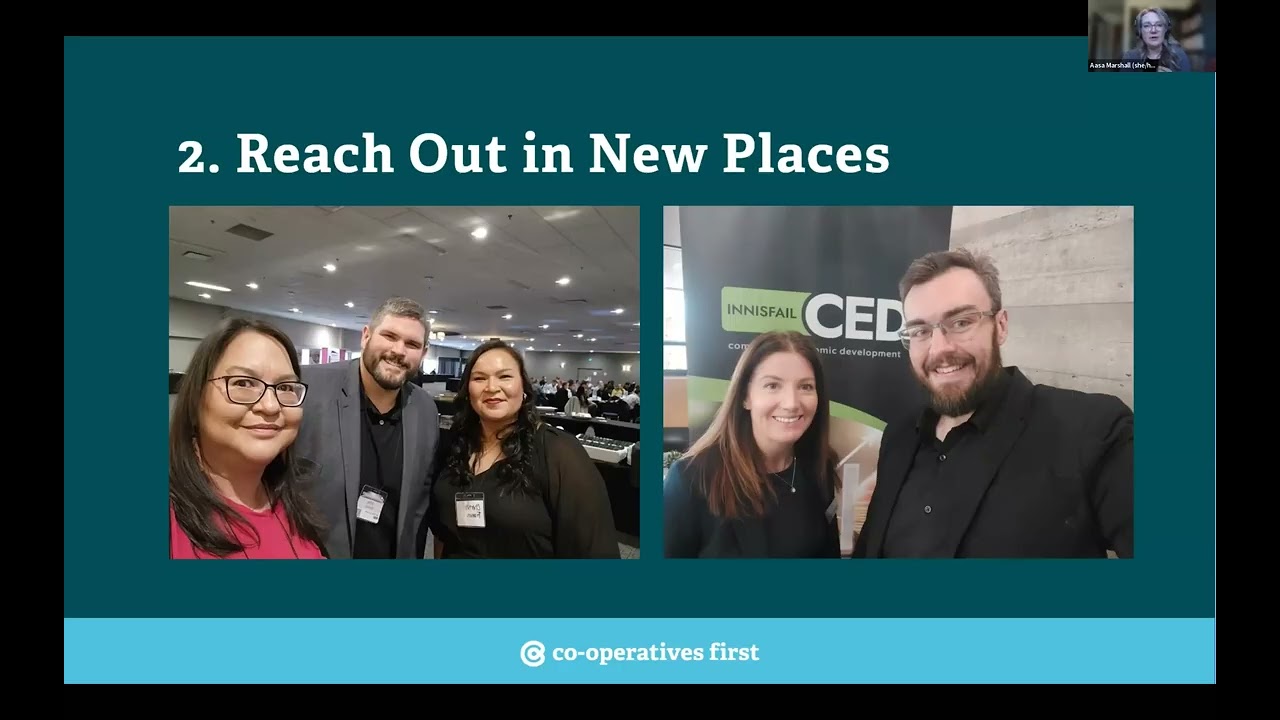
Engaging New Audiences In Co-operatives
by International Centre for Co-operative Management
Co-operatives First was founded in response to falling awareness about co-ops and how they can be used. They've learned some key lessons about how to reach people who could benefit from co-ops, but are not familiar with their structure and benefits. With useful, practical tips for practitioners and co-op leaders, this session will draw on lessons learned from years of helping new audiences discover the value of co-operatives.
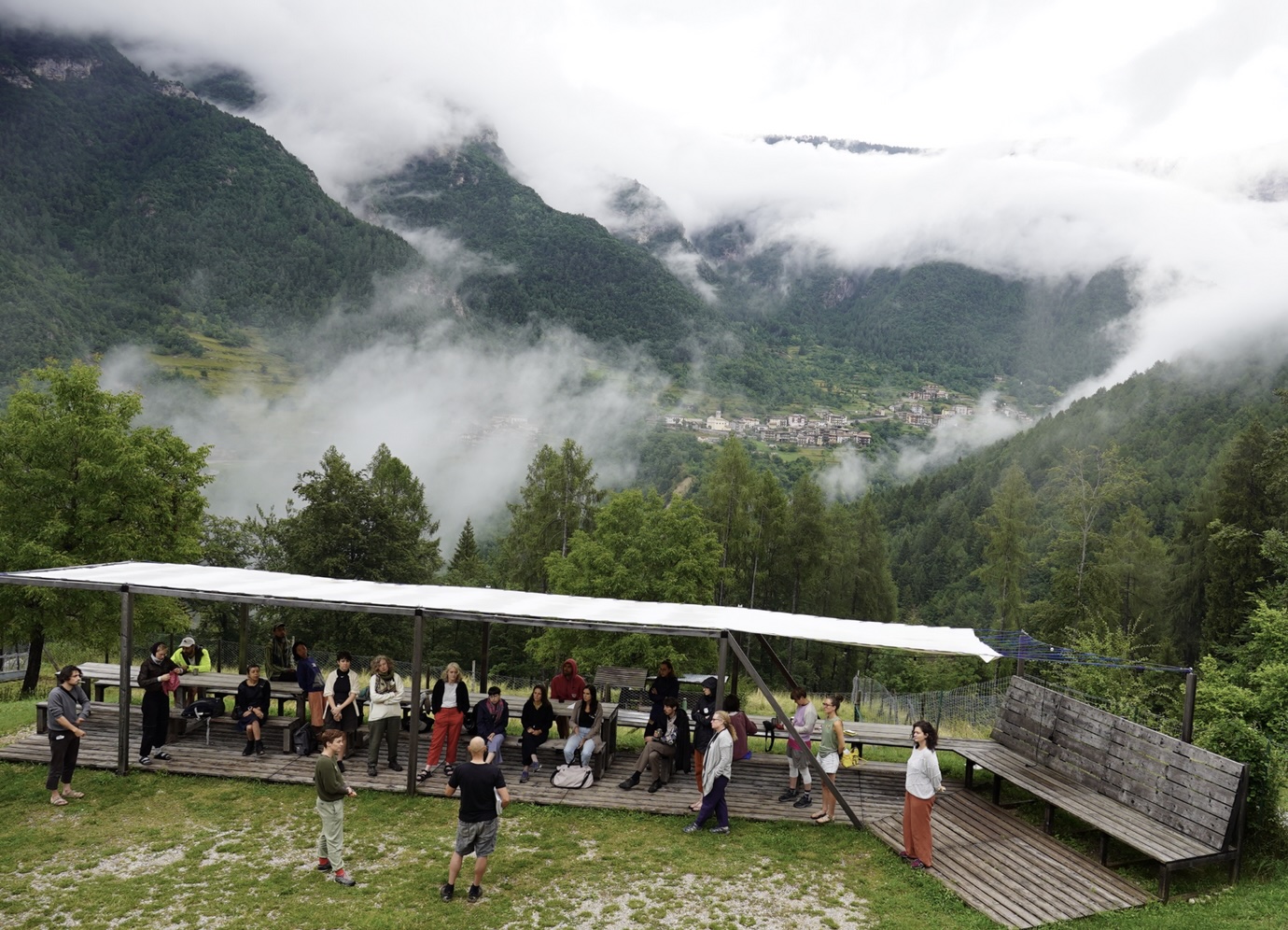
New Forms of Rural Resurgence Through Commoning and Care
by David Bollier
While Elzenbaumer and Franz started their project in Franz’s parents’ home, they later found and co-created an improbable space for experimentation – the valley’s main railway station, Rovereto, in Vallagarina, Trentino. Stores and restaurants had already abandoned the station, but the building itself was sturdy and habitable, and indeed, lots of railway passengers still pass through it every day. With permission from the Italian rail service and a grant from the European Union, Brave New Alps converted the station’s spaces to host its many research and public-facing projects.
How CLTs are Powering Co-op Growth in Canada
Shelterforce — The federation is also leading an innovation in the use of the CLT model by forming a land trust as a directly owned subsidiary. By pooling the land holdings of a group of co-ops, the land trust can borrow against the existing co-op housing equity, and leverage those funds to rapidly develop more co-op housing...
Rwandan cooperative helps members improve livelihoods
The Cooperator — “Before joining this cooperative, something was missing in my life and my life was not good. When I joined in 2015, we were trained on soil and water conservation and vegetable production. An idea came into my mind that I can grow vegetables for my family but also for selling,” Nyirabaligira says. “Now I have a vegetable garden business. Later I joined the village savings and loans association, and to be part of this group makes me happy because I managed to save money and buy a cow. I later got a loan and renovated my house...”
Dan’s Co-op Adventures – May 2026
Co-operatives and Mutuals Canada — The next stop was Fireweed Food Community Service Co‑operative Inc., where Ralf Sawatzky, Fireweed’s Market Coordinator, provided a tour and shared insights into the organization’s work. Established in 2016 as a multi‑stakeholder co-operative, Fireweed was created to address challenges within Manitoba’s food system, including supporting consumers in accessing food that reduces the overall ecological footprint...
Brazil's Largest Meat Co-op Argues Against Reduced Work Week
The Cooperator — Aurora Coop, considered the largest meat cooperative in Brazil, estimates it would need to hire an additional 11,000 workers on top of the current 51,000 just to produce slightly less than today, should Congress approve the end of the 6×1 schedule and the reduction of the workweek to 40 hours. This calculation comes from the cooperative’s president, Neivor Canton...
Before the State Showed Up: Black Mutual Aid as the Infrastructure of Our Democracy
Nonprofit Quarterly — During the nineteenth century, free Black communities built mutual aid societies across cities such as Philadelphia, New Orleans, Charleston, and Baltimore. Organizations like the Free African Society, founded in 1787 by Richard Allen and Absalom Jones, collected dues from members and redistributed resources to widows, sick residents, unemployed workers, and formerly enslaved people trying to build stable lives...

Like what you find on GEO?
Make a Donation Today!
Your tax-deductible contribution ensures that GEO can continue to provide independent grassroots content about the cooperative and solidarity economy movements.
Got something to say?
Let us know. Send your comments, suggestions, rants and article submissions to editors@geo.coop.
Follow us on Social Media
Mastodon: social.coop/@GEO_Collective
BlueSky: @geocollective.bsky.social
FB: facebook.com/GEOCollective
Instagram: instagram.com/grassrootsecon
Our mailing address is:
Grassroots Economic Organizing
P.O. Box 115
Riverdale MD 20738-0115
