
This week, Ebony Gustave writes about visiting some of the many cooperatives in New York City and the Hudson Valley as part of the Cooperative Leaders and Scholars Fellowship.
Then, Steve Dubb writes about how the city of Eugene, Oregon is considering adopting an act giving tenants right to collectively purchase their homes when multi-family rental properties are put on sale. The move comes as the city, like most places across the US, is struggling to maintain an adequate stock of affordable housing.
A Glimpse Into New York’s Cooperative Ecosystem
by Ebony Gustave
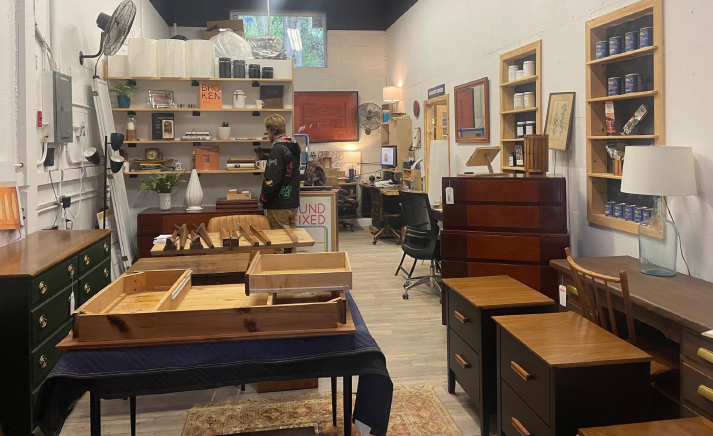
In the Hudson Valley, we visited the workspace and showroom of Found and Fixed, a worker-owned cooperative that reclaims and repairs wooden furniture. We saw and listened to the behind the scenes of running their business. One of the challenges they shared was retaining members due to the physical strain and low margins. This hasn’t deterred them from their mission of diverting furniture from the landfill, they will be working with a reuse center to discern what furniture can be upcycled and refurbished on a larger scale.
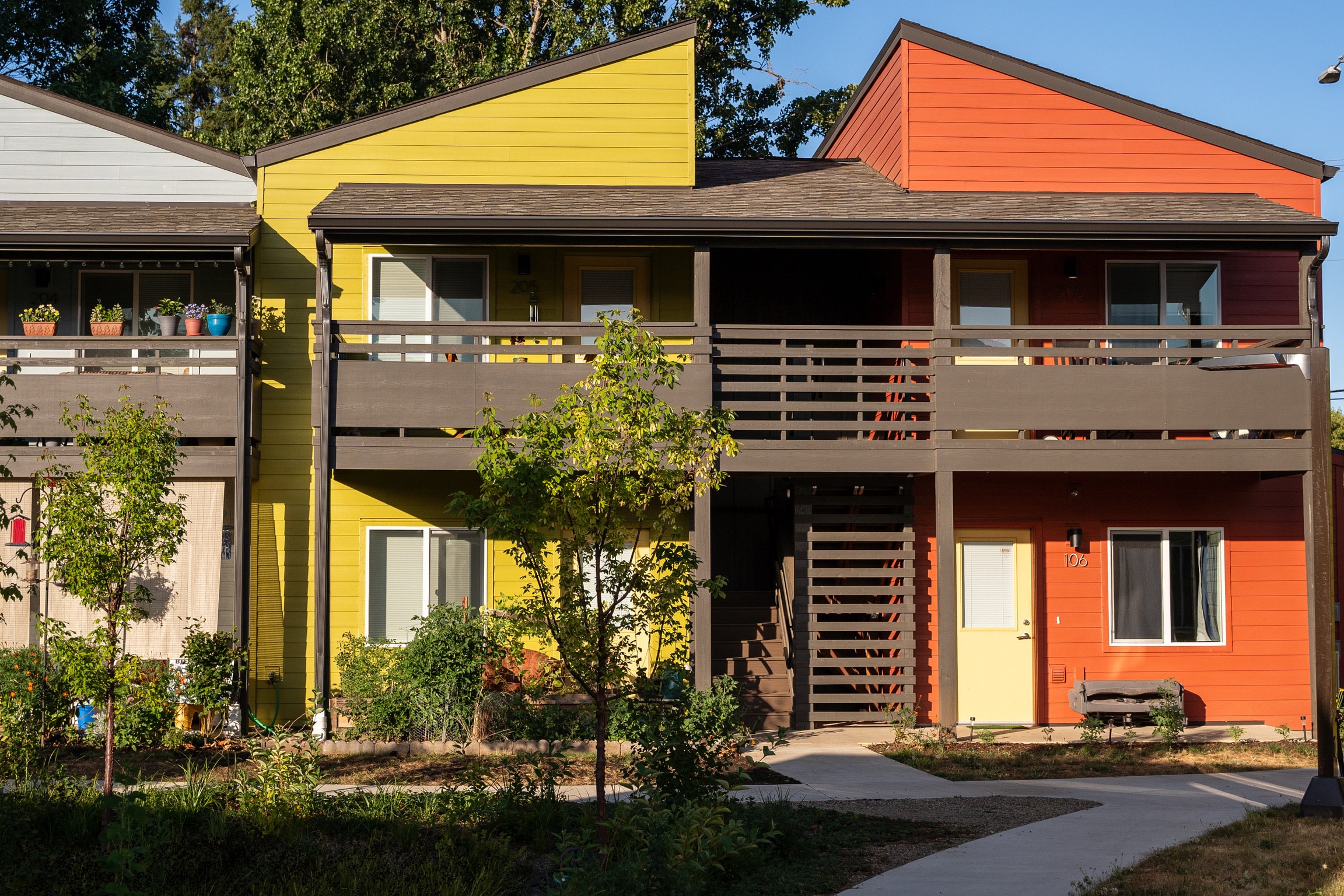
In Eugene, Housing Advocates Call for a Tenant Right to Purchase Act
by Steve Dubb
If adopted, a policy concept outlined by advocates would give tenants in multifamily buildings with five or more units that are up for sale 45 days to exercise a right of first refusal to purchase. Under the proposed provisions, if a tenant majority wished to acquire a building, they would need to form a tenants association, secure a financing letter of interest within 120 days, and close within 240 days...As is typical for TOPA, the purchase price would have to be consistent with market rates.

Creating Place-Based Systems Change (w/Matt Biggar)
LIFT Economy — The conversation explores why awareness alone rarely changes behavior, and how physical infrastructure, social relationships, and cultural norms shape the choices people make every day. Matt and Kevin discuss the levers for systems change outlined in Matt’s book, including shifting power, transforming land use, resetting culture, and building collaboration across sectors. They also examine examples from cities like Paris and San Francisco that show how changes to streets, public space, and local infrastructure can influence broader social and economic transformation...
Draft Changes to Cooperative Identity Statement
International Cooperative Alliance — This second, and final, consultation phase is focused on the Identity Statement itself. To support it, the Cooperative Identity Advisory Group is releasing a series of discussion drafts setting out possible changes to the Statement. Comment on the drafts is invited from ICA Members and Associates at large, the ICA's Regions, Sectoral Organisations and Thematic Committees and any other interested parties...
Spring Forum 2026 Brings Members Together
Co-operative Housing Federation of BC — On May 24, co-op members, leaders, staff, and sector partners from across British Columbia gathered for CHF BC’s Spring Forum 2026. Guided by the theme Community Starts Next Door: Where neighbourly connections build community, the day explored how everyday connections between neighbours create stronger, more resilient co-op communities...
A Crushed 1891 Strike by Black Farmer Cooperatives Holds Keys to Economic Justice Today
Nonprofit Quarterly — Houston County, TX, December 11, 1886. Sixteen Black men gathered on a farm and started something that would grow into one of the most ambitious economic organizing efforts in US history. They called it the Colored Farmers’ National Alliance and Cooperative Union (CFNACU). Within five years, it had spread across the South and claimed 1.2 million members. Then, in 1891, it was violently destroyed...

Like what you find on GEO?
Make a Donation Today!
Your tax-deductible contribution ensures that GEO can continue to provide independent grassroots content about the cooperative and solidarity economy movements.
Got something to say?
Let us know. Send your comments, suggestions, rants and article submissions to editors@geo.coop.
Follow us on Social Media
Mastodon: social.coop/@GEO_Collective
BlueSky: @geocollective.bsky.social
FB: facebook.com/GEOCollective
Instagram: instagram.com/grassrootsecon
Our mailing address is:
Grassroots Economic Organizing
P.O. Box 115
Riverdale MD 20738-0115
