
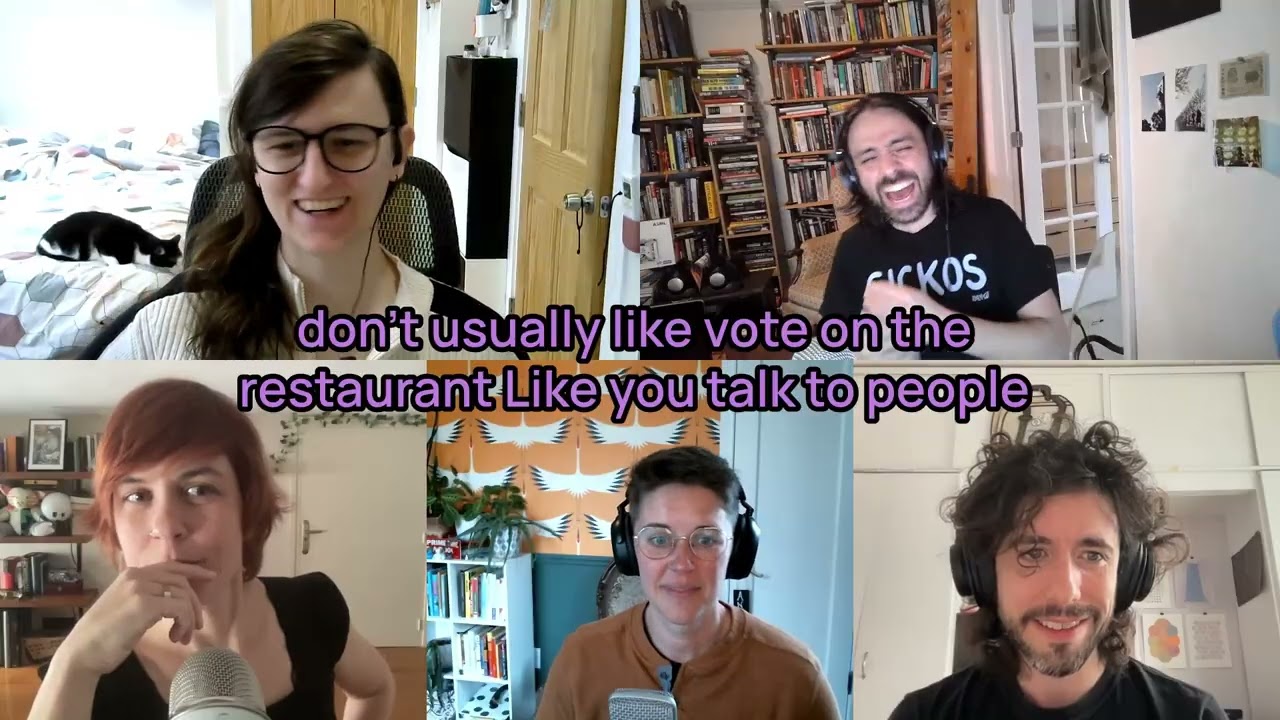
This week, NYC's EMMA Technology Cooperative sits down with the Strange Birds podcast to discuss how their co-op operates, why they chose consensus decision making, how they survived a 10 month dry spell, and more.
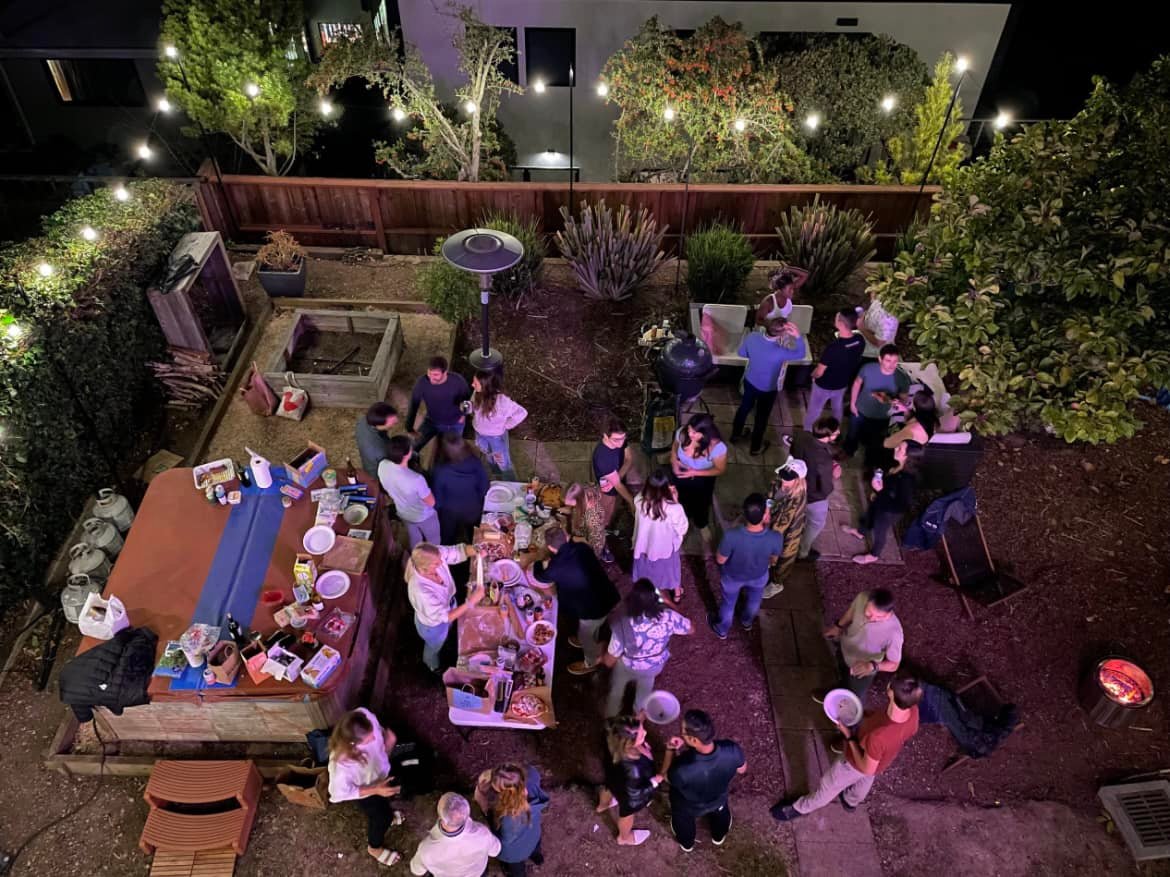
Then, David Bollier interviews two architects whose work is focused n the social and economic dynamics of co-living; from housing cooperatives and intentional communities, to co-housing and communes.
EMMA Technology Cooperative
Businesses need more verbs
by Strange Birds
Ramsey Nassar, Gwen Pasquarello, and Andy Wallace at EMMA Technology Cooperative have spent five years as a worker-owned co-op building software and hardware for video games, theater, public installation, and media arts. And theme parks. And custom programming languages. And a nonprofit arcade collective. They're thriving.
Taking Co-Living Seriously in Architecture & Design
by David Bollier
Steinmüller and Bhatia began to conduct in-person interviews to explore the social dynamics of co-living, discover what residents really want, and understand what types of people choose such to live in such settings. They also embarked on a more systemic study of co-living options around the world to study the range of existing options. “We looked at models in Asia and the share houses in Japan and Korea,” said Steinmüller. “We looked at Baugruppen in Germany and Austria, and cooperatives in Switzerland, to augment the breadth of purpose-designed structures. We weren't able to find as many in the U.S.”
Power Tools for Artists: Co-ops for Creatives - 8/21
Art.coop — After years of participating in an unjust economy, artists and culture bearers are searching for viable alternatives to the traditional models of cultural production. Cooperatives and the solidarity economy are gaining traction as a values-aligned solution. But what's the difference between a worker-owned cooperative and a purchasing cooperative?...
Besties Cooperative Farm: Teaming Up to Create Sustainable Agriculture
Co-operatives First — “Cost is a big barrier for farming, especially new farmers, cost and knowledge,” Michael said. “The skill share part, if you have like a couple people in the group that have more knowledge around farming or have done farming, whereas some other people maybe don’t, really helps if you’re a co-operative… we [also always] have someone to reach out to, because we just have a bigger network of people with more of us involved.”...
Space battle in Birmingham
Solidfund — Solidfund members have agreed to pledge £30,000 from their cash reserve to buy loan stock in Stirchley Co-op Developments. Our financial services partner ICOF (Industrial Common Ownership Fund) agreed to match our members' commitment, making a total of £60,000. We hope and expect other organisations to contribute to this really important - perhaps once in a generation - effort to secure a new worker-led cooperative campus in Birmingham...
The Stone Soup Registry: A Modern Example of Co-operation Among Co-operatives
Ontario Co-operative Association — What if the co-operative sector could rally around new co-operatives in the same way the villagers rallied around the soup pot? The Stone Soup Registry proposes a simple idea: create a platform where established co-operatives, credit unions, professionals, and supporters can contribute the resources a new co-operative needs to get started...

Like what you find on GEO?
Make a Donation Today!
Your tax-deductible contribution ensures that GEO can continue to provide independent grassroots content about the cooperative and solidarity economy movements.
Got something to say?
Let us know. Send your comments, suggestions, rants and article submissions to editors@geo.coop.
Follow us on Social Media
Mastodon: social.coop/@GEO_Collective
BlueSky: @geocollective.bsky.social
FB: facebook.com/GEOCollective
Instagram: instagram.com/grassrootsecon
Our mailing address is:
Grassroots Economic Organizing
P.O. Box 115
Riverdale MD 20738-0115
