
This week, we're sharing an article from the most recent GEO Journal - an interview with GEO member Matt Noyes about his work in the union and cooperative movements in the US and Japan.
Then, CHF Canada profiles three New Brunswick housing co-ops that are using various approaches to creating and maintaining affordable, cooperative housing.
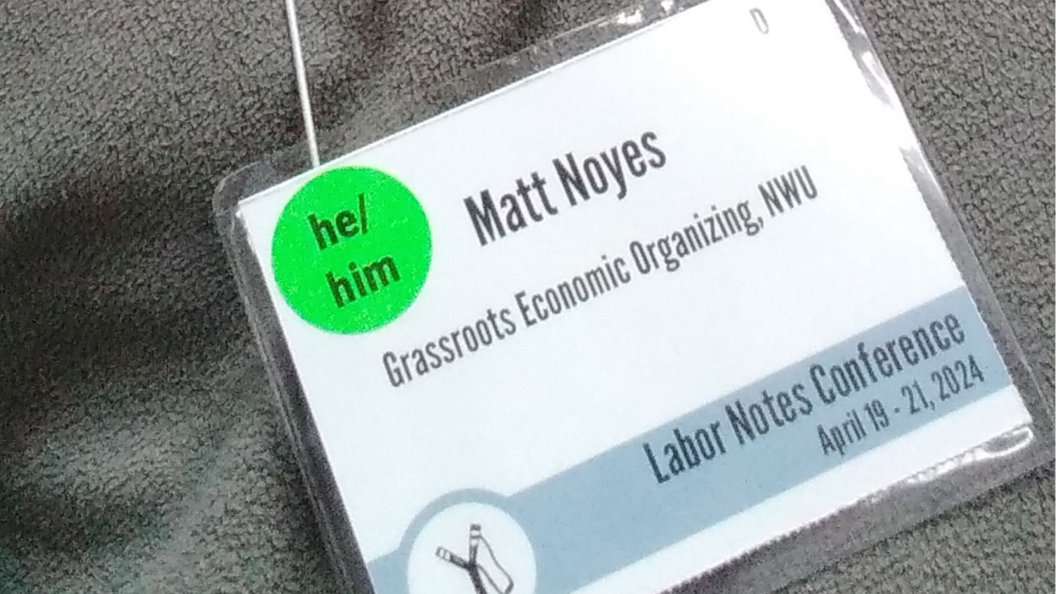
Greater Levels of Solidarity
by Matt Noyes and Steve Herrick
[O]ne of the interesting things they can learn from each other is that solidarity is crucial for both, in different ways. A good, strong worker cooperative has to be centered in solidarity, because solidarity is what’s going to make it work, and what’s going to make it be effective as an organization. The same is true of a union, but one of the big differences is that unions don’t own and control the workplace or the labor process. So they are structurally in a fight, they are antagonistic to the employers by their nature. If they’re functioning as a legitimate union, they are forced into a kind of solidarity. If they don’t fight, they don’t need solidarity and they degenerate.
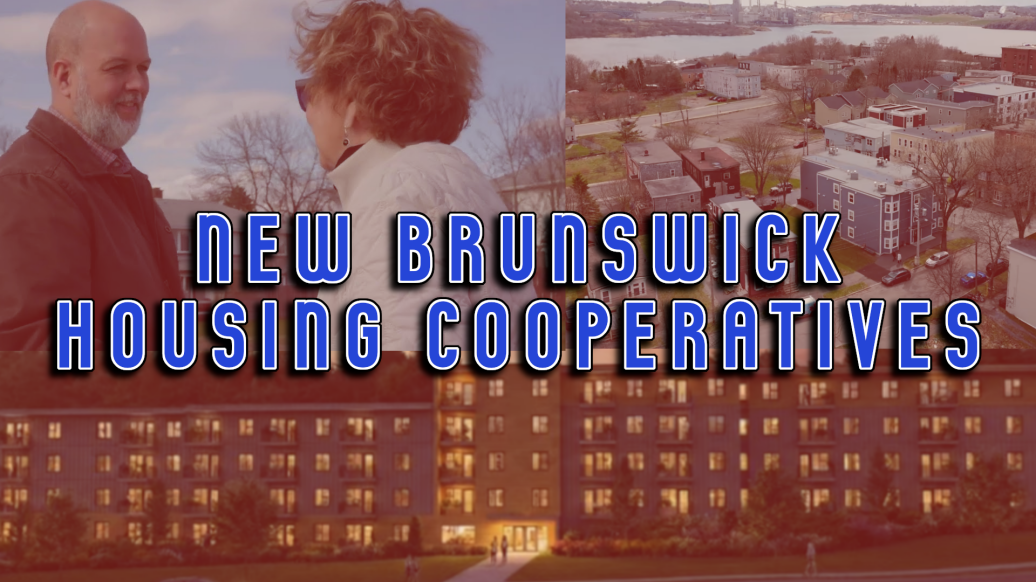
New Brunswick's Housing Cooperatives
by CHF Canada
The Co-operative Housing Federation of Canada recently profiled three New Brunswick housing cooperatives — one that is just being built, one that was converted to cooperative ownership in 2022, and one that formed in 2016 when eight small housing co-ops merged to better ensure their long-term viability. The latter, Unified Saint John Housing Co-operative, is an especially interesting story, as the co-op now owns 294 units scattered throughout Saint John, with plans to continue acquiring and building co-operative homes.

Does the USFWC really represent us?
MadWORC — The staff and Boards of Directors of the New York City Network of Worker Cooperatives (NYCNOWC) and the Madison Worker Cooperative Network (MadWorC) are proposing multiple changes to the bylaws of the United States Federations of Worker Cooperatives (USFWC) in order to restore member control of its governance and operations. Together we represent thousands of workers and dozens of worker cooperatives, several of which are founding members of the USFWC...
JoAnn Fabrics fans seek to stitch void left by private equity with crafts co-op
The Guardian — “The ultimate big dream is to try to create an ecosystem that connects all of these people in the crafting world,” said Sandy McClenahan, 35, a legal assistant, hat maker and former tech industry relationship manager. “The model we’re investigating is how member-owned and/or worker-owned co-ops can help do that.” McClenahan published a survey last month suggesting a call to action: “A craft and fabric co-op, owned by us.” The post got hundreds of responses, including one person from every US state and 30 who wanted to be founding members...
Centennial Success: Celebrating Agricultural Cooperatives Over 100 Years Old
USDA (Zoom) — Join us for an engaging webinar dedicated to agricultural cooperatives that have thrived for more than a century. This session will delve into the rich histories of these enduring organizations, highlight the significant challenges they have faced over the years, and examine the factors behind their remarkable longevity. Discover how these cooperatives have adapted, evolved, and succeeded across generations. Whether you're a cooperative member, agricultural professional, or history enthusiast, this discussion promises valuable insights into the legacy and future of ag co-ops...
Margaret Bau enters the Co-op Hall of Fame
Cooperative Hall of Fame — Over her decades-long career with USDA Rural Development, Margaret Bau helped establish and strengthen dozens of cooperatives throughout rural America. Her work empowered communities to create locally owned solutions that increased economic opportunity and strengthened rural resilience...

Like what you find on GEO?
Make a Donation Today!
Your tax-deductible contribution ensures that GEO can continue to provide independent grassroots content about the cooperative and solidarity economy movements.
Got something to say?
Let us know. Send your comments, suggestions, rants and article submissions to editors@geo.coop.
Follow us on Social Media
Mastodon: social.coop/@GEO_Collective
BlueSky: @geocollective.bsky.social
FB: facebook.com/GEOCollective
Instagram: instagram.com/grassrootsecon
Our mailing address is:
Grassroots Economic Organizing
P.O. Box 115
Riverdale MD 20738-0115
