
This week, Amarpal Singh Verma reports from Hanumangarh, India where a farmer-led organic produce cooperative that has grown from a small group of farmers to become a thriving co-op business.
Then, Kim Coontz of the California Center for Cooperative Development presents a workshop on the fundamentals of limited equity housing cooperatives, and answers questions about funding, organizational structure, and overcoming challenges.
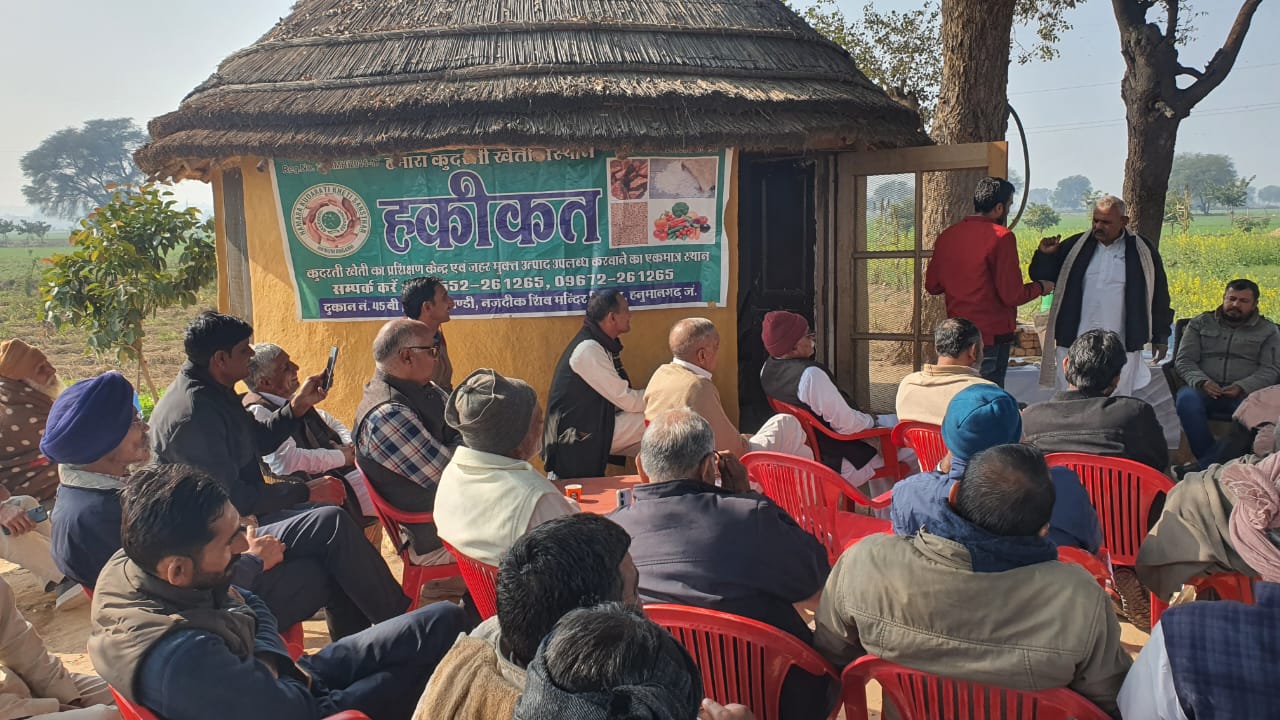
India’s Farmer-Led Economic Model
How Cooperation Is Changing the Market for Natural Produce
by Amarpal Singh Verma
In March 2021, the farmers associated with ' Hakeekat ' decided to form a Farmer Producer Company (FPC) to streamline the procurement and sale of their produce. In June 2021, ' Hakeekat Natural Farmers Producer Company Limited' was registered. Hakeekat set up the Farmer Producer Company to handle the purchase, processing and sale of farmers’ produce. While the organization focuses on promoting natural farming and providing support to the farmers, the company manages the business operations.
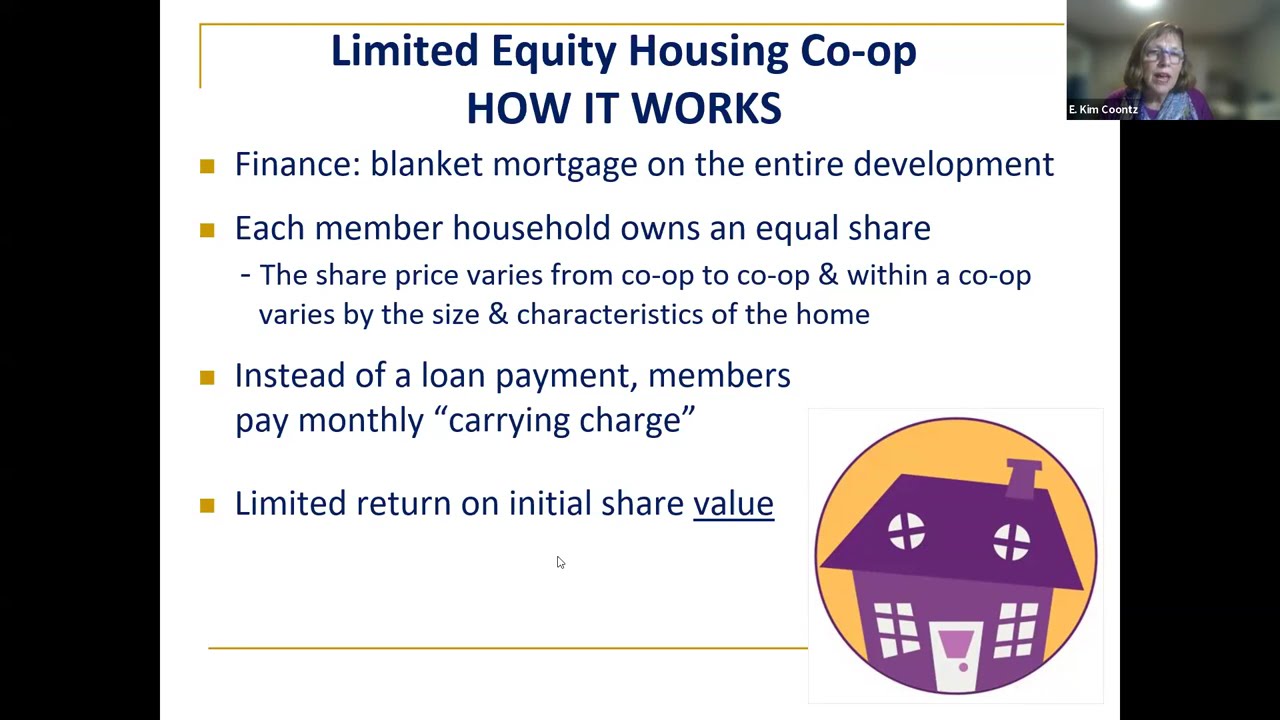
Fundamentals of Forming Limited Equity Housing Cooperatives
by San Diego Community Wealth Building Coalition
This workshop provides an introduction to the structure, principles, and development of LEHCs and offers valuable information for community members, organizers, housing advocates, and others interested in cooperative housing and community wealth building.
Radical Routes: Britain’s quiet co-operative revolution
Red Pepper — 2026 marks the 40th anniversary of a foundational meeting between the New Education Housing Co‑op (NEHC) and Giroscope. The NEHC was born from the New University Project — an ambitious plan to build a radical university in the countryside. Failing to secure enough funds for the full project the group founded NEHC in inner city Birmingham. The NEHC are still going and are now situated in a semi-rural location north of Swansea. The origins of Hull’s Giroscope project — a radical worker’s co-op — began with its original members pooling their ‘giros’ (the dole cheques which used to be issued to people on benefits by the National Girobank) to buy and renovate dilapidated houses to create affordable homes for people in need. Giroscope now has a portfolio of genuinely affordable homes in Hull, as well as community buildings like the newly launched St Mathew’s Community Enterprise Centre...
SSG Charts a New Course for Worker Co-ops In Crossing Borders
Canadian Worker Co-operative Federation — For SSG, expanding into the US and Chile was helped by the fact that its operations were already fully remote and spread out across Canada. But as Emily McQuarrie, SSG’s Director of Finance observes, there were still some obstacles to deal with in the process. “It’s always a little trickier when you’re online,” she says. “But then add to that difference in language, difference in culture, really trying to be able to communicate well and understand each other well. It just takes a little more intentionality.”...
1974: Help Yourself to a House
BBC Archive (YouTube) — Old houses - 100 to 150 years old - can be saved from demolition by determination and skill. In Macclesfield a group of 32 families got together and not only saved their old terrace houses but also helped to rebuild them, saving hundreds and - in some cases - thousands of pounds. The programme also looks at the first experimental housing co-op for young people, due to open this month in South London; and we see what a co-operatively run group has achieved after three years' hard work starting from an initial down-payment of £50 a head. £50 for a house? "Not quite," says Peter Humphries, the organiser of the group, "you put down £50, work bloody hard - then you can have a house."...
Growing the Cooperative Economy
Garlic and Roses Media — Food co-ops and other cooperative organizations used to own more of the supply chain. In the wave one co-ops of the 40s and 50s, Co-op branded products could be found on the shelves. Cooperative food warehouses were a key cog in the wave two food co-ops during the 60s and 70s. Imagine food co-ops using their money to support cooperatively-owned businesses from the farm all the way to the register. This is not to say that isn't happening at many stores. Food co-ops support cooperative brands like Frontier spices, Organic Valley and Equal Exchange. Co-ops in my area save money on group-negotiated utility contracts and more from a cooperative called the Community Purchasing Alliance. But the scale could be increased significantly...
Why We Don't Use AI
Yarn Spinner — It’s hard to say exactly when. Maybe it was always like this and we just didn’t see it. But by the end of 2020 (a year famous for absolutely nothing world changing whatsoever happening /s) it was clear that the AI we liked was not what the tech companies were interested in. They were increasingly about generative imagery, chatbots writing your material for you, and summaries of art instead of exposure to it. Efforts to mitigate known problems (reinforcing cultural biases, being difficult to make deterministic or explainable) were disparaged and diminished. Researchers and developers who raised concerns were being fired. Things have only gotten worse since...

Like what you find on GEO?
Make a Donation Today!
Your tax-deductible contribution ensures that GEO can continue to provide independent grassroots content about the cooperative and solidarity economy movements.
Got something to say?
Let us know. Send your comments, suggestions, rants and article submissions to editors@geo.coop.
Follow us on Social Media
Mastodon: social.coop/@GEO_Collective
BlueSky: @geocollective.bsky.social
FB: facebook.com/GEOCollective
Instagram: instagram.com/grassrootsecon
Our mailing address is:
Grassroots Economic Organizing
P.O. Box 115
Riverdale MD 20738-0115
